FLAT RATE SHIPPING - QUEENSLAND OWNED FAMILY BUSINESS

Search

News

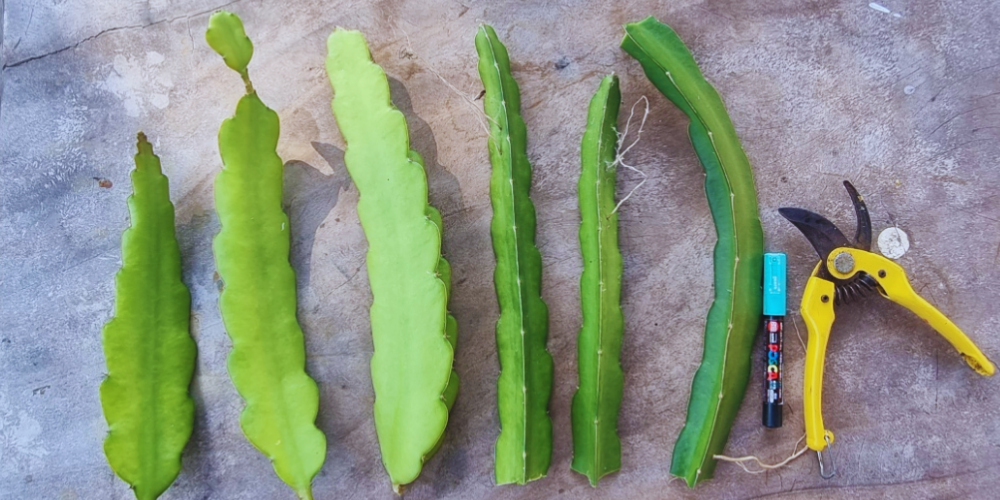
Taking a dragon fruit cutting is a common method of propagating dragon fruit plants.

Here's a step-by-step guide to help you with the dragon fruit growing process, Full of hints and tips on growing Dragon Fruit / Pitaya


  • 4 min read

By increasing thermal mass you can keep your plants warmer longer when the temperature drops. 

Also known as heat sinking you can help stabilize plant temperature  and creates an induvial microclimate for your plants. 

This is very useful if you are trying to grow dragon fruit in Melbourne or other frost prone areas. 

  • 2 min read

Dragon Fruit is also known as pitahaya in Mexico, and pitaya roja in Central America and northern South America.

The Spanish name pitahaya may also refer to several other species of tall cacti with flowering fruit.

The French introduced the fruit into Vietnam over a hundred years ago.

  • 3 min read

Farm stay Agnes Water, 1770

A great relaxed holiday spot with lots of natural activities. 

  • 3 min read
This a how to grow dragon fruit from seeds and we also look at why dragon fruit cuttings are the best way to grow dragon fruit.
  • 3 min read
Our Goals at Rare dragon fruit are to have a sustainable farm for future generations. 

At our sustainable dragon fruit farm in Agnes Water, Queensland, we grow over 150 unique dragon fruit varieties using eco-friendly farming practices. Our focus is on promoting biodiversity through polyculture, which enriches the soil and supports a healthy ecosystem.

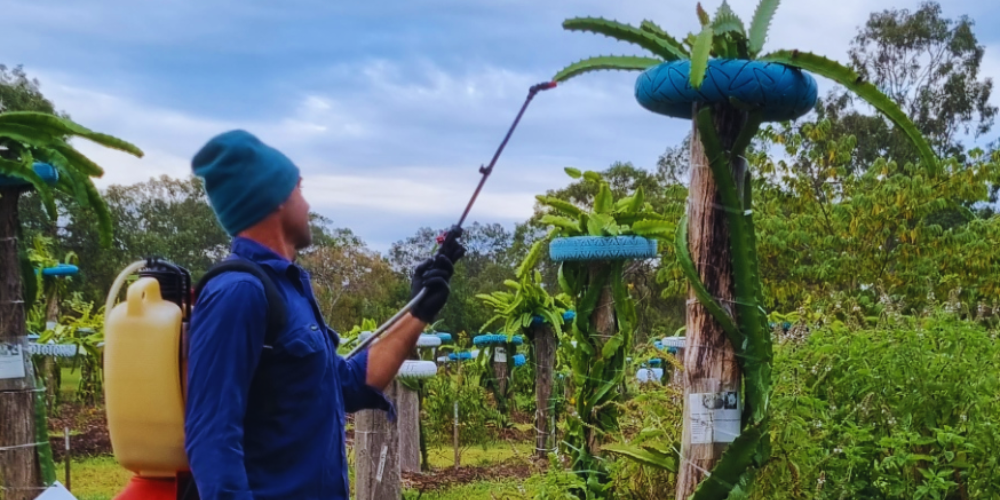
We avoid synthetic chemicals, only using organic pesticides when absolutely necessary. Our farm provides fresh, vibrant dragon fruit to wholesalers, local markets, and direct consumers.

In addition to growing fruit, we offer educational workshops on sustainable farming techniques to foster self-sufficiency and environmental responsibility in the community.

We are passionate about producing quality fruit while protecting the planet.

  • 2 min read
In this blog, we dive into the fascinating anatomy of dragon fruit! From its vibrant, spiky skin to the soft, fleshy interior filled with tiny black seeds, each part of the dragon fruit has a unique function and appeal. Learn about the different color varieties, the nutritional benefits packed into its flesh, and the role the seeds play in both consumption and propagation. Whether you're growing your own or just curious about this exotic fruit, our blog will give you a closer look at what makes dragon fruit so special.
  • 3 min read
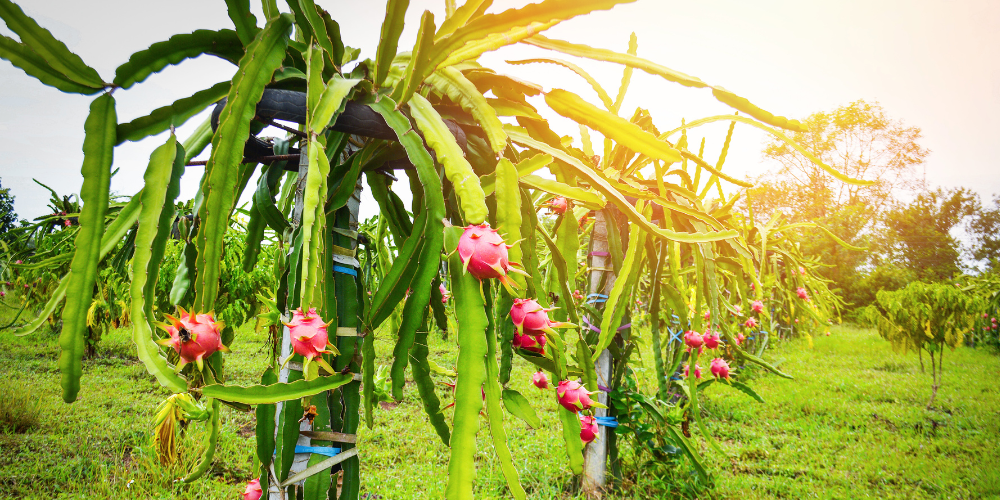
Growing dragon fruit is surprisingly easy and rewarding. This tropical, climbing cactus thrives in warm climates and well-draining soil. It needs plenty of sunlight—ideally 6–8 hours a day—and benefits from a sturdy trellis for support as it can grow tall. Plant cuttings or young plants in a sunny spot, water regularly but avoid overwatering, as dragon fruit is drought-tolerant. Fertilize every few months with a balanced, slow-release fertilizer to promote healthy growth and fruiting. With the right care, these resilient plants can produce vibrant, nutrient-rich fruit within a year or two of planting. Perfect for gardens or pots!

Jerry explores Delay's Tropical Fruit Tree Nursery and tries out the Pink Panther variety. He's enamored by the berry-like flavors and its compact size.

Some people are calling these verities dwarf dragon fruit plants

  • 1 min read
  • 2 min read

Search