$15.00 AUD
$20.00 AUD
$15.00 AUD
$20.00 AUD


Storing dragon fruit properly ensures it stays fresh and retains its quality.
We do recomend eating within 2-3 days of picking so you get all the best nutrients.


This marks the third stage of our study on how three different varieties of dragon fruit adapt to Australian conditions across various regions, including Queensland, New South Wales, Victoria, and South Australia.
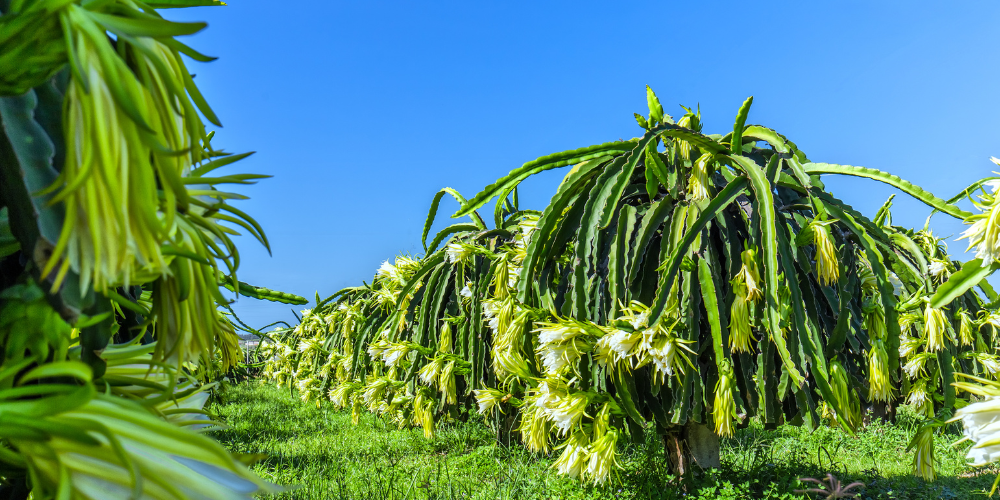
We are now at the end of the dragon fruit growing season in Australia and about to test the dragon fruit cuttings with winter.

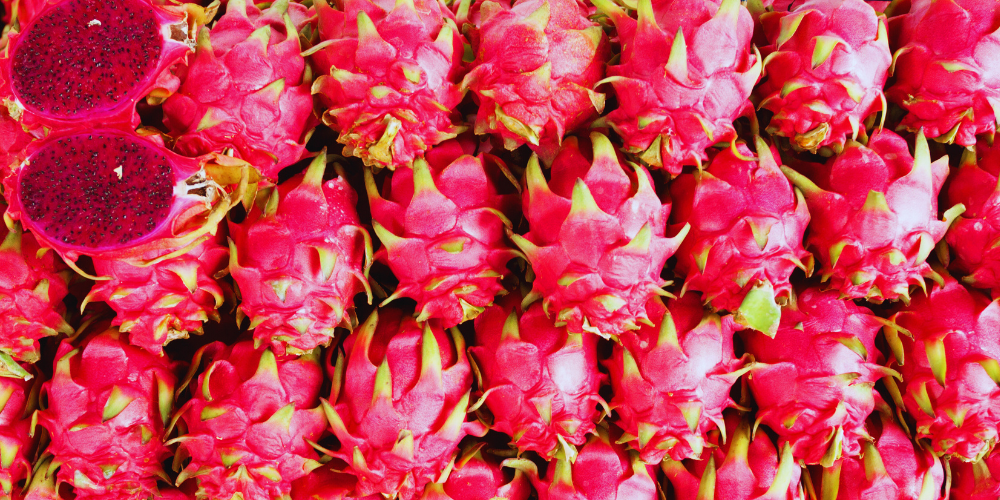
Among the array of exotic and vibrant fruits, dragon fruit reigns supreme, captivating not only with its beauty but also with its myriad health benefits.
Experiment with a dragon fruit facial and hair treatment.

The time it takes for a dragon fruit cutting to produce fruit can vary depending on several factors, including the variety of dragon fruit, growing conditions, and care provided to the plant.

Ever wondered about the Pros and Cons of grafting dragon fruit?
Here is a link to a study on the heat tolerance of grafted dragon fruit plants that highlights.
Grafted & self-grafted Dragon fruit Hylocereus tolerate heat stress better vs non-grafted plants.•
Grafted dragon fruit plants recover faster from heat stress and suffer less stem damage.
Grafting dragon fruit probably confers enhanced heat tolerance by inducing “cross-tolerance”.

Cochineal
Cochineal is a scale insect scientifically known as Dactylopius coccus that feeds on certain species of cacti, particularly prickly pear cacti (Opuntia spp.) Cochineal also can affect the flesh of the dragon fruit plant.

Crosses between the diploid Hylocereus polyrhizus, as the female parent, and the tetraploid Selenicereus megalanthus, as the male parent, yielded triploid and aneuploid hybrids. The fruits of these hybrids combined the attractive appearance of Hylocereus fruits with the delicious taste of S. megalanthus fruits.

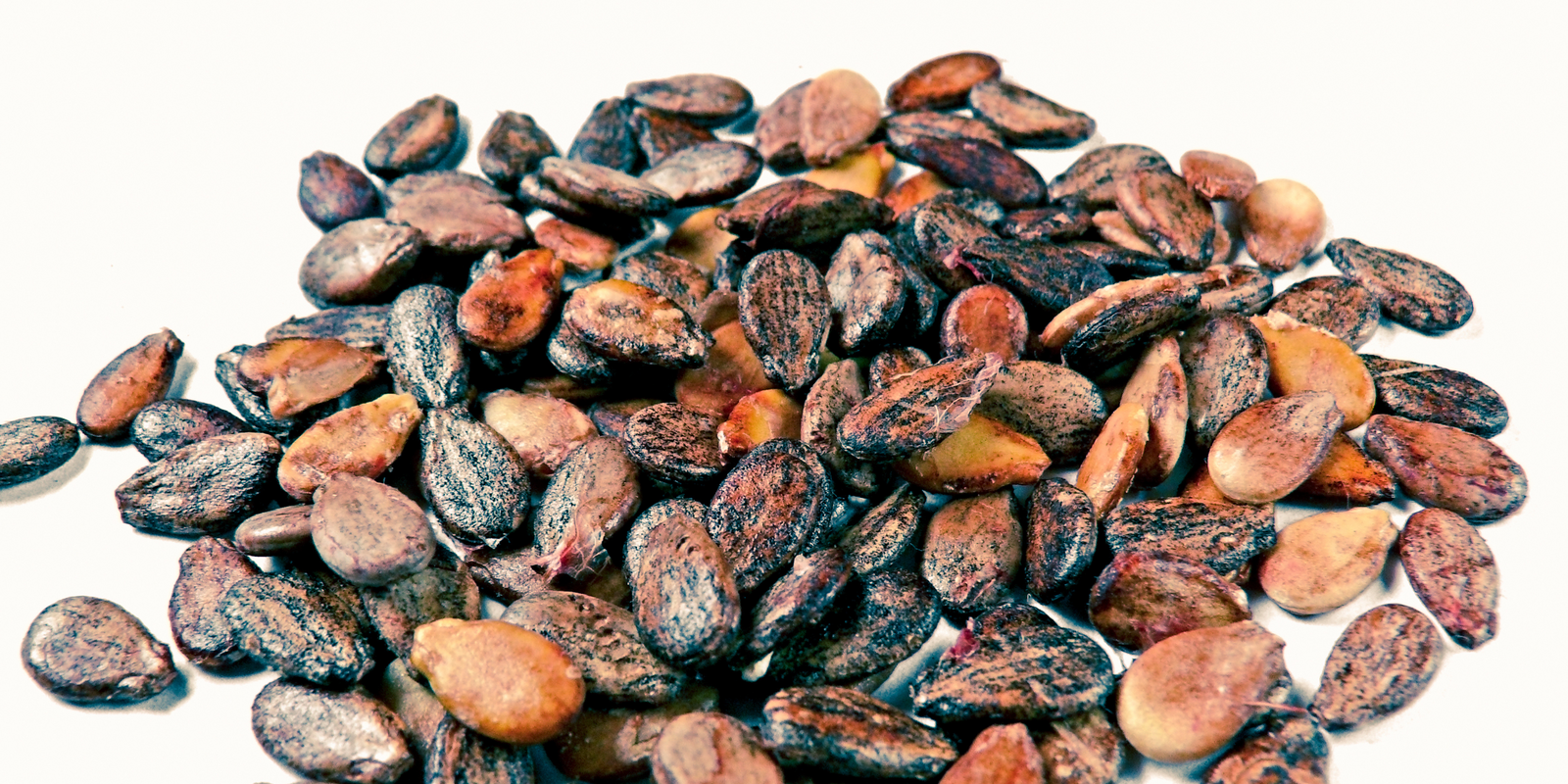
Here's a step-by-step guide on how we dry seeds
We like doing this with watermelon, luffa, tomato, passion fruit pumpkin and anything else with seeds that comes through the kitchen.
We’re transitioning non-essential orders to regular post, helping reduce our shipping carbon footprint by up to 90%. A small change that makes a big difference. 🌱📦
Express shipping will remain available for time-sensitive items.